
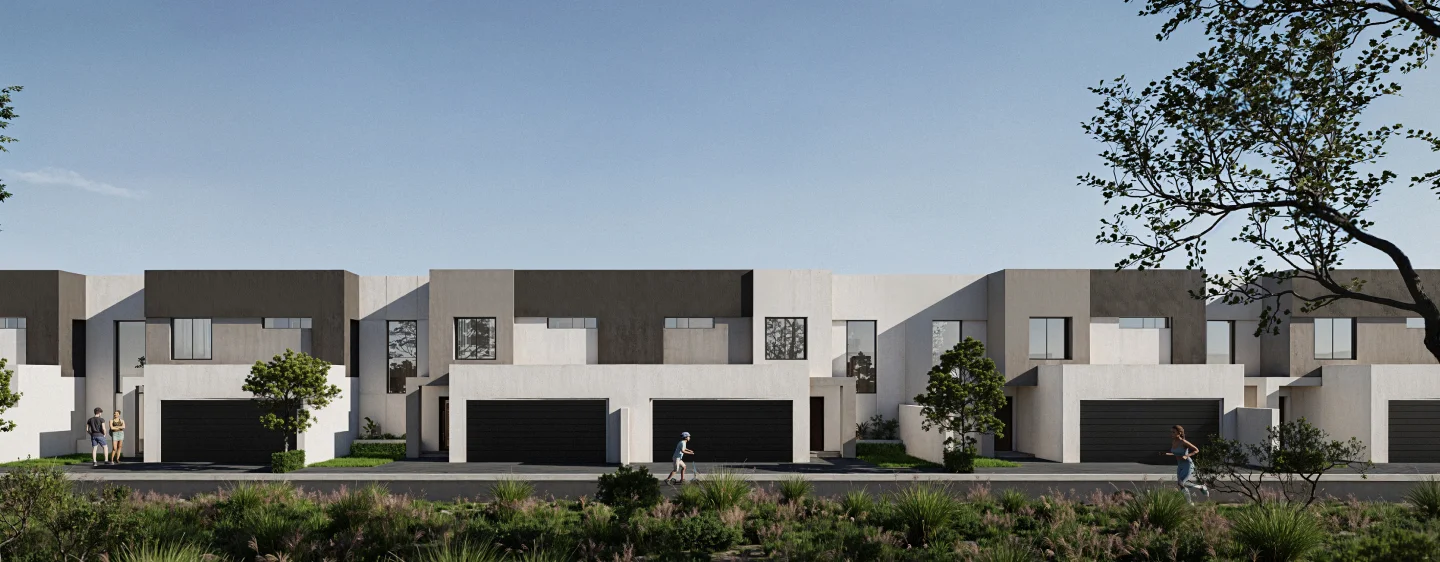
Discover the top Cape Town suburbs to invest in for 2025 with expert insight from Villa-Nova Properties. Explore Sandown, Big Bay, Sea Point and more, featuring property trends, rental returns and why location matters for long-term value.
Building on your own land in Cape Town is one of the most rewarding ways to create a home. Learn about zoning, approvals, contractors, costs and timelines, and see how we simplify the process so you can focus on turning your vision into reality.
Building a home is one of the biggest financial decisions most South Africans will ever make, and it starts with a deceptively simple question: how much does it cost to build a house? The honest answer is that it depends on dozens of variables, from the soil under your plot to the taps in your bathroom.
Most people start their home-buying journey with the same question: how much cash do I actually need upfront? The answer is less straightforward than the internet suggests. A first-time buyer purchasing a primary residence can qualify for a 100% home loan deposit-free, while someone buying a second property or investment home will almost certainly need 10% to 20% down.
The question of how many bedrooms do I need sounds simple until you sit down with a floor plan and a bond calculator. A third bedroom becomes a home office, then a nursery, then a teenager's retreat, then an empty room you're still paying rates on.
You've found the plot, you can picture the house, and you know roughly what it will cost. Now comes the question that determines whether the dream moves forward or stalls: will the bank say yes? Getting home loan pre-approval in South Africa at the R3.8 million mark and above is not the same game as qualifying for a R1.5 million starter bond.
There's a moment in every new-build journey when the floor plan stops being lines on paper and starts feeling like your future life. For most South African families, that moment happens in the open-plan kitchen and living room, the space where Saturday morning coffee, Wednesday homework sessions, and Sunday braai prep all unfold within arm's reach of each other.
Choosing the right floor plan is one of the most exciting parts of building a home, and one of the most consequential. A three bedroom house remains the most popular choice for South African families, first-time buyers, and investors alike.
A four-bedroom home is where most South African families land when they stop compromising. Three bedrooms work until the second child arrives, until a grandparent moves in, or until working from home becomes permanent rather than occasional.
You have 350 square metres of land, a family that needs four bedrooms, and a budget that does not stretch to buying the plot next door. This is the exact moment most South African homeowners start searching for double storey house plans, and it is the exact moment the decision gets complicated.
Cape Town's property landscape is shifting faster than most buyers realise. While established suburbs command eye-watering premiums, a ring of new developments in Cape Town is opening up opportunities that didn't exist even two years ago.
Choosing where your family will live is one of the biggest financial decisions you'll ever make. But before that comes a question most buyers don't expect: should you buy a home that already exists, or should you build one through a plot and plan package?
You've been thinking about it for months, maybe years. The tabs are open: Cape Town schools, Northern Suburbs crime stats, removal company quotes. Your partner has started saying "when we move" instead of "if." The dream of waking up to mountain views, shorter commutes, and a different pace of life has moved from fantasy to something that feels urgent, real, and slightly terrifying.
Choosing between sectional title vs freehold is one of those decisions that shapes your monthly costs, your freedom to renovate, and your long-term wealth, yet most buyers make it based on gut feel rather than the actual legal and financial differences.
You have found the perfect home in a gated estate, run the numbers on your bond repayment, and everything looks comfortable. Then three separate line items land on your monthly budget that you hadn't fully accounted for: municipal rates, estate levies, and possibly sectional title contributions.
Your new home is almost ready. The walls are painted, the floors are laid, and the excitement of moving in feels tangible. But between the final coat of paint and the day you collect the keys, there is one step that protects you more than any other: the snag list walkthrough.
Buying a newly built home should feel like the beginning of something exciting, not a gamble on whether your builder will still answer the phone six months after handover. The NHBRC exists precisely to remove that uncertainty.
The idea of walking through a show unit, choosing your finishes from a sample board, and signing for a home that does not yet exist is equal parts exciting and nerve-wracking. Buying off-plan has become one of the most common routes into new residential developments across South Africa, particularly in the Western Cape where demand consistently outpaces supply.
A bond repayment calculator gives you a number. That number feels reassuring, concrete, almost final. But here is the truth that most property websites will not tell you: that monthly figure is the starting point of your home-buying maths, not the finish line.
You have found your dream home, negotiated a price you are happy with, and your bond has been approved. Then your conveyancer sends through an invoice that looks nothing like the number you plugged into that transfer cost calculator online.
Choosing the right property developer in Cape Town is crucial for successfully building your dream home. Key factors to consider include local expertise, transparent communication, a proven track record, positive client testimonials, comprehensive services, sustainability practices, quality materials, financial stability, customisation flexibility, reliable warranties, strong industry relationships, and transparent pricing.